

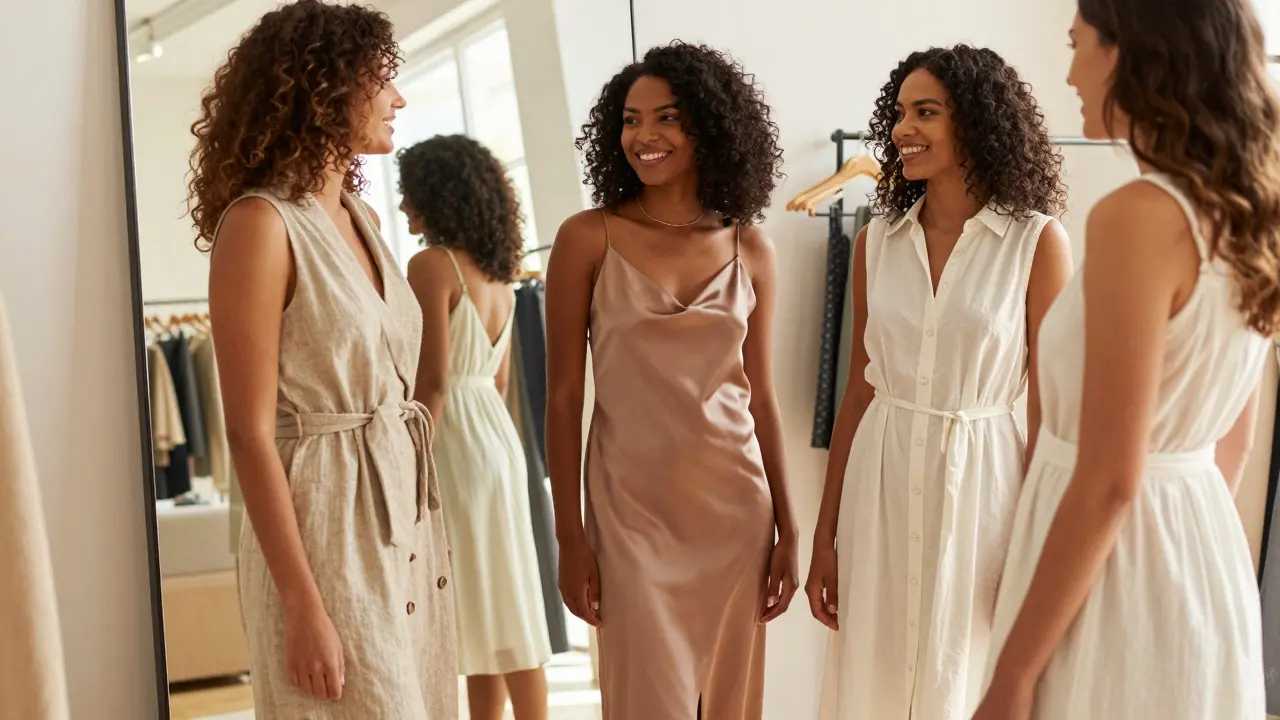
You stand in front of the mirror, holding a beautiful sleeveless dress that you’ve been eyeing all season. It’s lightweight, breezy, and perfect for the July heat. But then you hesitate. You glance at your arms, maybe pinch a bit of skin, or think about how they look compared to someone else’s. You toss it back into the pile.
If this sounds familiar, you’re not alone. For decades, women have been told that wearing sleeveless clothing is reserved for a specific body type, a certain age group, or people who spend their days in the gym. These myths create a barrier between you and clothes that are comfortable, stylish, and practical. The truth? Sleeveless dressing isn’t about having "perfect" arms. It’s about finding cuts, fabrics, and styles that make you feel confident and put-together.
We need to dismantle the outdated rules around showing bare arms. Whether you are twenty-five or sixty-five, whether you prefer a fitted silhouette or an oversized drape, there is a sleeveless option that works for you. Let’s break down the biggest myths holding you back and replace them with strategies that actually work.
The Myth of the "Perfect" Arm Shape
The most pervasive myth in fashion is that you need toned, slender arms to wear anything without sleeves. This idea suggests that if you have softness, cellulite, or muscle definition, you should hide under long sleeves. This is simply not true. Fashion has moved away from rigid body standards toward celebrating individuality and comfort.
Consider the concept of body neutrality. This approach shifts the focus from how your body looks to how it feels and what it can do. When you choose a sleeveless top because it keeps you cool and allows you to move freely, you are prioritizing function and personal comfort over an arbitrary aesthetic standard. Most people are far more focused on their own insecurities than judging yours. A study by the American Psychological Association found that social comparison is often internal; we assume others are judging us harshly when they are likely preoccupied with their own lives.
To build confidence, start by acknowledging that every body shape is different. Some people have straighter arms, some have curved ones, and some have muscular definitions. None of these are "wrong." The goal is to find garments that complement your unique structure rather than trying to force your body into a mold designed for someone else.
Cut and Silhouette: Why Fit Matters More Than Size
When shopping for sleeveless pieces, the cut of the garment matters significantly more than the size tag. A poorly cut strap can dig into your shoulders, creating unwanted bulges and discomfort. Conversely, a well-designed armhole can flatter almost any arm shape by providing support and defining the shoulder line.
Look for structured armholes. These are armholes that are sewn with precision and often include a slight curve or reinforcement. They sit higher on the chest, preventing the "double chin" effect under the armpit that loose, low-cut tanks often cause. Brands like Reformation and Everlane have popularized this style by focusing on tailoring that respects the natural shape of the torso.
Here is a quick guide to choosing the right neckline based on your preferences:
- Wide Necklines: Great for balancing wider hips or emphasizing the collarbone. They draw the eye horizontally across the upper body.
- Sweetheart Necklines: Soften the shoulders and add a feminine touch. Ideal for those who want a romantic, vintage vibe.
- Square Necklines: Provide a modern, structured look. They offer excellent coverage while still exposing the shoulders, making them a favorite for professional settings.
- V-Necks: Elongate the neck and draw attention downward. Perfect for creating a streamlined silhouette.
Avoid spaghetti straps if you are looking for substantial coverage, as they can slip and require constant adjustment. Instead, opt for straps that are at least one inch wide. This small detail provides stability and reduces the need to pull your shirt up throughout the day.
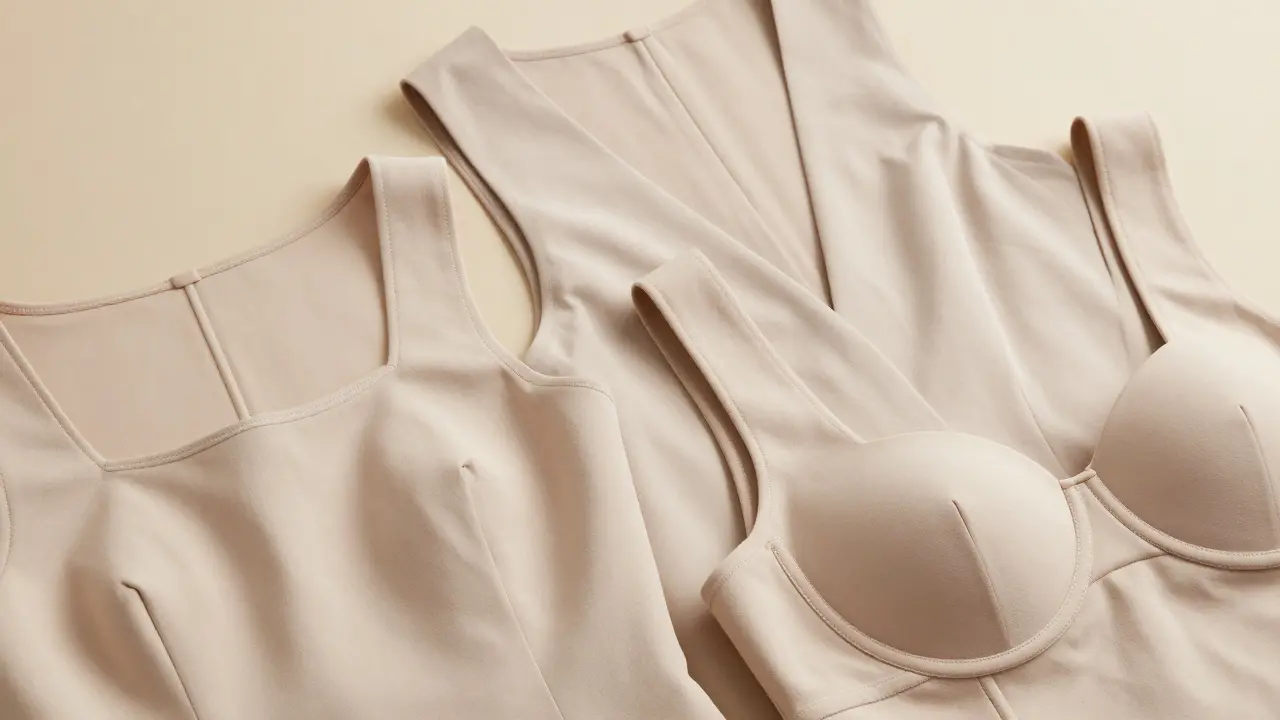
Fabric Choices That Flatter and Comfort
The material of your sleeveless dress plays a huge role in how it looks and feels. Thin, clingy fabrics like cheap polyester or thin jersey can reveal every contour and imperfection, which might make you self-conscious. On the other hand, fabrics with some weight and structure hold their shape better and provide a smoother appearance.
Consider natural fibers such as linen, cotton blends, and silk. Linen is breathable and has a natural texture that distracts from minor wrinkles or bumps. It also drapes beautifully, skimming over curves rather than clinging to them. Cotton poplin offers a crisp, clean look that is ideal for office environments or casual weekends. Silk and satin provide a luxurious drape that moves with your body, creating elegant lines.
For colder months or air-conditioned offices, layering is key. A lightweight blazer or a cardigan can be thrown over a sleeveless dress, allowing you to adjust your coverage based on the temperature and your comfort level. This strategy gives you control over your appearance without sacrificing the style of the sleeveless piece underneath.
| Fabric Type | Best For | Pros | Cons |
|---|---|---|---|
| Linen | Summer events, casual outings | Breathable, textured, drapes well | Wrinkles easily |
| Cotton Poplin | Office wear, daytime activities | Crisp, durable, easy to care for | Can be stiff if too thick |
| Silk/Satin | Evening events, special occasions | Luxurious drape, smooth finish | Requires delicate care, can be sheer |
| Knit Blends | Travel, everyday comfort | Stretchy, forgiving, wrinkle-resistant | May lose shape over time |
Ageless Style: Breaking Generational Stereotypes
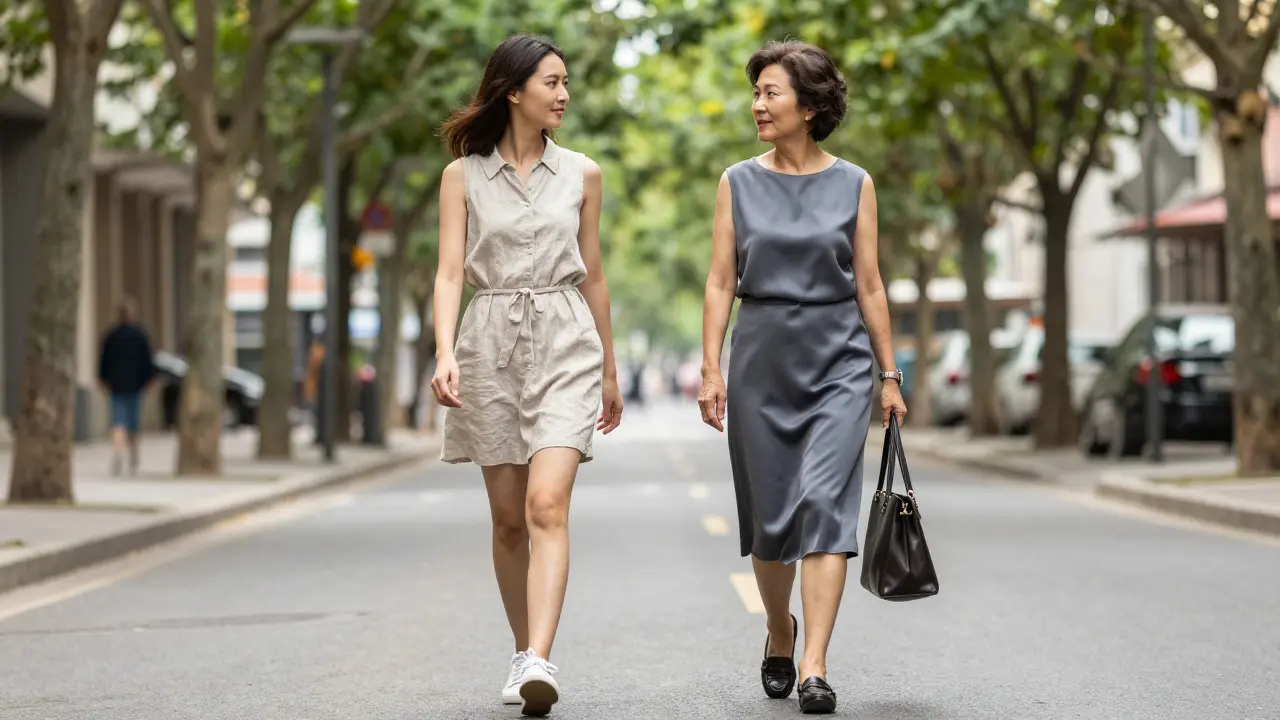
There is a persistent belief that sleeveless dresses are only for the young. Older women are often advised to cover up, implying that aging bodies should be hidden. This stereotype ignores the fact that style evolves with age, becoming more refined and intentional. In fact, many women in their fifties, sixties, and beyond rock sleeveless looks with grace and confidence.
Ageless fashion is about choosing pieces that reflect your current lifestyle and personality, not your birth year. A sleeveless sheath dress can look just as chic on a fifty-year-old professional as it does on a twenty-five-year-old student. The difference lies in the accessories and styling. A younger person might pair a sleeveless mini with sneakers and a backpack, while an older woman might choose a midi length with loafers and a structured tote.
Look to icons like Diane Keaton or Helen Mirren, who frequently wear sleeveless ensembles with poise. Their choices demonstrate that confidence comes from owning your look, not conforming to age-based restrictions. Embrace the freedom that sleeveless clothing offers, regardless of where you are in life.
Styling Tips for Different Occasions
Knowing how to style a sleeveless dress for different contexts can boost your confidence. Here are some practical strategies for various scenarios:
- Workplace: Choose a sleeveless blouse or dress in a neutral color like navy, black, or beige. Pair it with a tailored blazer for meetings and remove it for lunch breaks. Ensure the neckline is modest and the fit is professional.
- Casual Weekend: Opt for a cotton or linen sleeveless maxi dress. Add sandals, a wide-brimmed hat, and minimal jewelry. This look is relaxed yet polished.
- Date Night: Go for a silk or satin sleeveless slip dress. Accessorize with statement earrings and heels. The fabric adds elegance without needing excessive embellishment.
- Vacation: Bright colors and patterns work well here. A floral sleeveless sundress paired with espadrilles and a crossbody bag is both practical and photogenic.
Don’t forget the power of accessories. A bold necklace can draw attention to your face rather than your arms. Scarves draped around the neck or tied to a bag can add visual interest and balance the exposed skin.
Overcoming Mental Barriers
Sometimes the biggest obstacle isn’t the clothes themselves, but our mindset. If you struggle with body image issues, consider starting small. Wear a sleeveless top at home first, then progress to running errands, and eventually to social gatherings. Gradual exposure helps desensitize anxiety.
Practice positive self-talk. Instead of criticizing your arms, acknowledge what your body does for you. Remind yourself that you deserve to feel cool, comfortable, and stylish. Surround yourself with images of diverse women wearing sleeveless clothing happily. Social media platforms like Instagram and Pinterest have communities dedicated to body positivity and inclusive fashion. Following accounts that showcase real bodies in real clothes can reshape your perception of beauty.
Remember, confidence is a skill that can be developed. It starts with small acts of defiance against societal norms. Each time you choose to wear what makes you happy, you reinforce your self-worth.
What is the best neckline for a sleeveless dress if I have broad shoulders?
A V-neck or sweetheart neckline can help soften the appearance of broad shoulders by drawing the eye vertically or inward. Avoid square necklines if you want to minimize width, as they emphasize horizontal lines.
How do I prevent my bra straps from showing with a sleeveless top?
Use a convertible bra, a strapless bra, or adhesive bras. Alternatively, choose tops with built-in shelf bras or lining. Many modern sleeveless designs include discreet elastic bands inside to keep straps in place.
Is it appropriate to wear sleeveless dresses in the office?
Yes, provided the dress is made of professional fabric (like wool blend or structured cotton) and has a modest neckline. Pairing it with a blazer ensures you meet dress code requirements while staying comfortable.
What should I wear under a sheer sleeveless dress?
Opt for a camisole or slip in a matching or nude shade. High-quality slips are designed to be invisible under sheer fabrics and provide necessary coverage without adding bulk.
How can I accessorize a sleeveless dress to look more polished?
Add a structured belt to define your waist, wear statement earrings to draw attention upward, and choose closed-toe shoes or loafers for a sophisticated touch. A tailored jacket can also elevate the look instantly.