

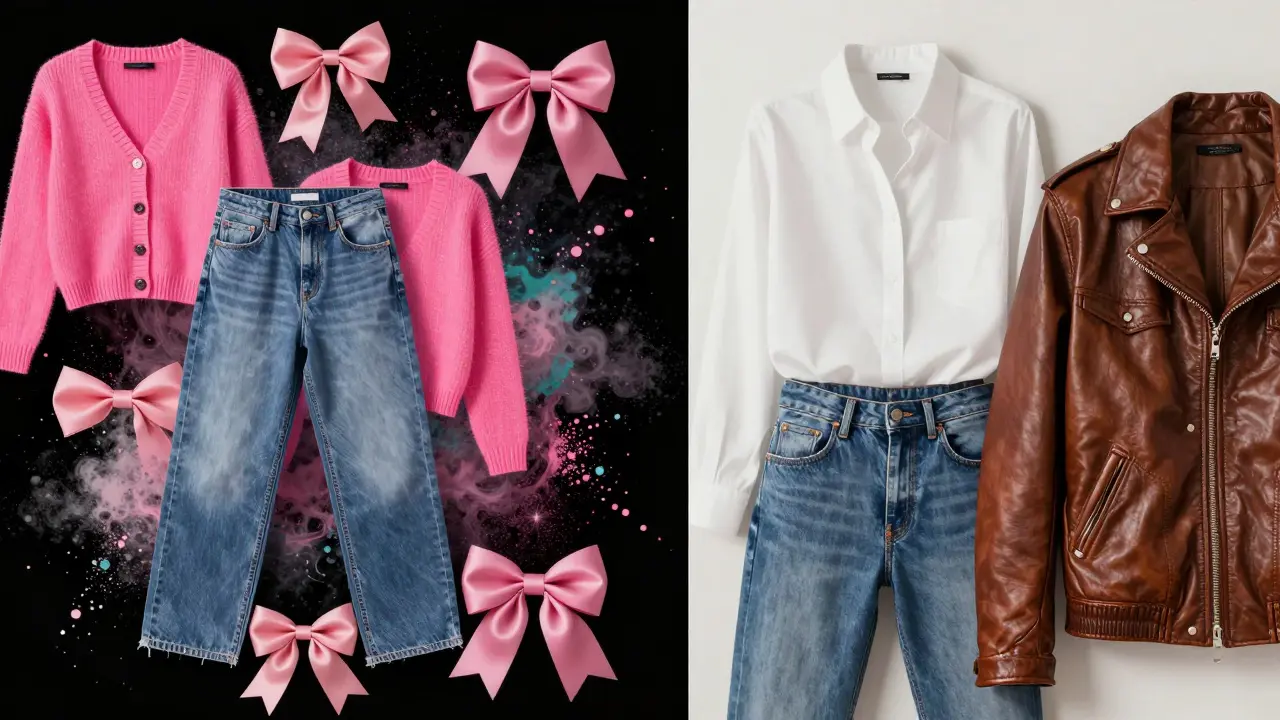
Have you ever bought a pair of shoes because they were everywhere on your feed, only to feel embarrassed wearing them six months later? You are not alone. We are living in an era where micro-trends are hyper-specific fashion styles that gain rapid popularity through social media but fade just as quickly, often lasting only three to six months. Unlike the classic trends of the past that might evolve over years, these fleeting moments peak with explosive speed and then vanish into the void of digital history.
This phenomenon isn't just about what we wear; it's a symptom of how we consume culture. The acceleration of fashion cycles has turned clothing from a long-term investment into disposable content. But why do some styles burn out instantly while others manage to stick around? Understanding this cycle is key to building a wardrobe that actually works for you, rather than one that leaves you with piles of regrettable purchases.
The Anatomy of a Viral Fashion Moment
To understand why micro-trends die so fast, we have to look at how they are born. In the pre-social media era, trends trickled down from runways in Paris or Milan to department stores, taking months or even years to reach the mainstream. Today, the process is inverted and accelerated by algorithms.
A style starts small, perhaps on a niche subreddit or a TikTok creator’s closet haul. If the algorithm picks it up, it explodes. This is the "viral" phase. Brands like Shein is a fast-fashion retailer known for its massive inventory and rapid production cycles, capable of designing, manufacturing, and shipping new items within weeks and Temu have optimized their supply chains to capitalize on this speed. They can see a trend spike on social media and have a physical product in your hands before the hype even peaks.
The problem? The lifecycle is compressed. A trend that used to last two seasons now lasts two months. By the time you buy the item, the internet has already moved on to the next thing. This creates a sense of obsolescence before you’ve even worn the garment once. It’s not just about taste changing; it’s about the sheer volume of new stimuli drowning out previous favorites.
Why Do Micro-Trends Burn Out So Fast?
There are several psychological and economic drivers behind the rapid death of micro-trends. First, there is the concept of "trend fatigue." When everything is a trend, nothing feels special. Consumers become desensitized to the novelty factor. If you’re seeing "clean girl aesthetic," "coquette core," and "mob wife energy" all within the same week, the brain stops registering them as distinct identities and starts seeing them as noise.
Second, the barrier to entry is too low. Because these trends rely on cheap, mass-produced items, anyone can participate immediately. This saturation leads to oversupply. When everyone has the same baggy jeans or the same specific shade of pink cardigan, the exclusivity that drove the initial desire evaporates. People stop wearing them because they no longer signal individuality; they signal conformity to a passing whim.
Finally, there is the environmental backlash. As awareness of fast fashion is the business model of producing high volumes of low-cost clothing rapidly, often resulting in significant waste and poor labor conditions grows, many consumers feel guilt when buying disposable trends. This cognitive dissonance accelerates the abandonment of micro-trends. People don’t just get bored; they get guilty, and they switch to more permanent styles to soothe that anxiety.
What Makes a Trend Last?
If micro-trends are defined by their brevity, what defines a lasting trend? Longevity in fashion usually comes from utility, versatility, and cultural embedding. A style that lasts isn’t just a visual gimmick; it solves a problem or aligns with a broader lifestyle shift.
Consider the rise of athleisure. It didn’t just appear overnight as a viral meme. It was driven by a fundamental change in how people live-remote work, gym culture, and a demand for comfort. Because it served a functional purpose, it stuck. Similarly, the return of vintage denim wasn’t just about aesthetics; it was tied to a desire for authenticity and sustainability. These aren’t micro-trends; they are macro-shifts.
Lasting trends also tend to be adaptable. They can be styled in multiple ways across different seasons. A well-cut blazer or a quality leather jacket doesn’t depend on a specific color palette or silhouette that changes every quarter. They integrate into your existing wardrobe rather than demanding you overhaul it. This adaptability gives them a longer shelf life both in terms of relevance and actual wear.
| Feature | Micro-Trend | Lasting Style |
|---|---|---|
| Lifespan | 3-6 months | Years to decades |
| Driver | Social media algorithms | Cultural shifts/utility |
| Cost per Wear | High (worn few times) | Low (worn repeatedly) |
| Versatility | Low (specific looks only) | High (mixes with basics) |
| Emotional Impact | FOMO, then regret | Confidence, comfort |
The Role of Social Media Algorithms
You can’t talk about micro-trends without talking about the platforms that fuel them. Instagram, TikTok, and Pinterest are designed to keep you scrolling, not thinking. Their algorithms prioritize novelty because novelty keeps engagement high. If a certain style stops getting clicks, the algorithm buries it and pushes something new.
This creates a feedback loop. Creators know that posting about the "next big thing" gets views, so they amplify emerging trends prematurely. Brands monitor these metrics to decide what to produce. The result is a hyper-accelerated cycle where the "peak" of a trend is incredibly sharp and narrow. You have a tiny window to participate before it’s considered "last season."
This dynamic disproportionately affects younger demographics, particularly Gen Z, who are most active on these platforms. For them, fashion is less about personal expression and more about participating in a shared cultural conversation. Missing out on a micro-trend can feel like being left out of the group chat. This pressure drives impulse buys that rarely satisfy long-term needs.
How to Navigate the Trend Cycle
So, how do you dress in 2026 without feeling like you’re constantly chasing a ghost? The answer lies in curating your consumption habits. You don’t have to ignore trends entirely, but you need to filter them through a lens of intentionality.
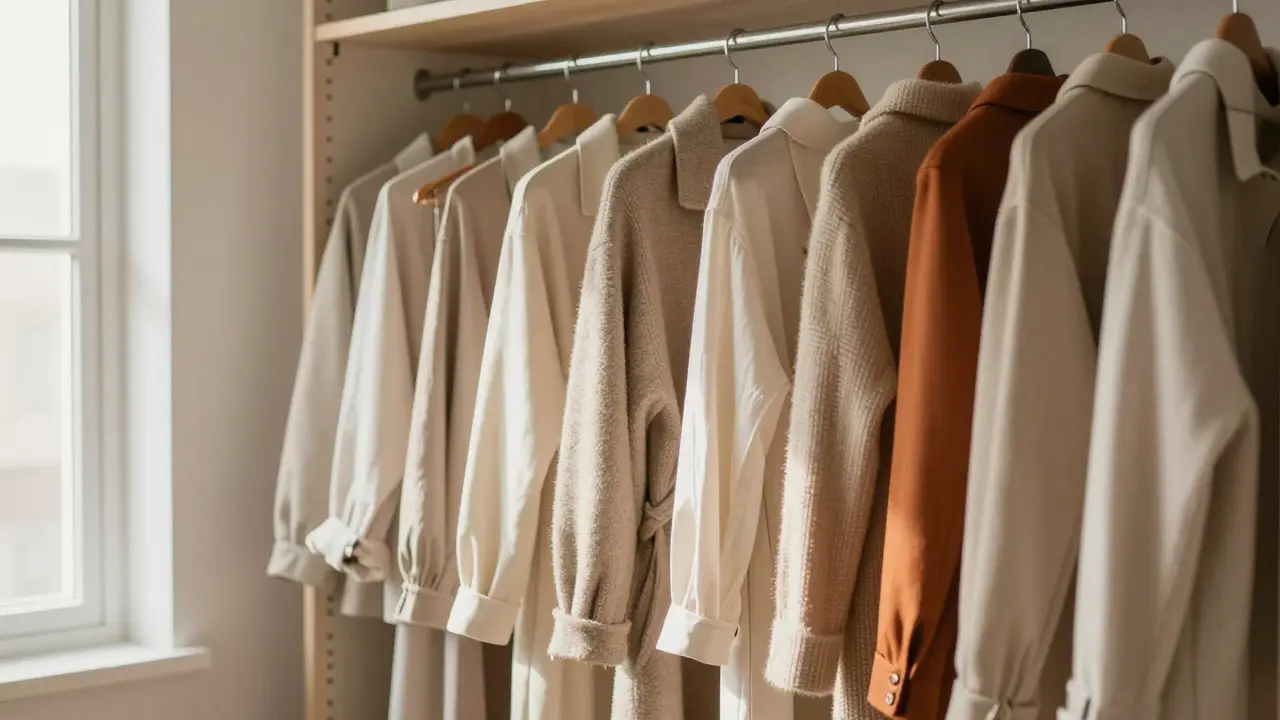
Start by adopting a capsule wardrobe is a curated collection of essential clothing items that do not go out of fashion and can be mixed and matched to create various outfits approach. Build a foundation of neutral, high-quality basics that reflect your personal style and fit your body well. These items should make up about 80% of your closet. They are the anchors that keep your style grounded regardless of what’s trending online.
Then, allocate a small budget-say, 20%-for experimental pieces. This is your "play money." If you really want to try the latest micro-trend, do it here. Buy one statement piece instead of a whole outfit. This way, if the trend dies, you haven’t ruined your entire wardrobe or bank account. You’ve simply participated in a moment without letting it define your style.
Another strategy is to slow down your shopping process. Implement a 48-hour rule before buying any non-essential item. Ask yourself: "Will I wear this in three different outfits? Does it fit with what I already own? Will I still like this in six months?" Often, the urge to buy a micro-trend fades after a day or two when you step away from the screen.
The Future of Fashion Consumption
We are likely seeing a pendulum swing back towards slower, more mindful consumption. As the environmental costs of fast fashion become harder to ignore, brands are under pressure to prove their sustainability credentials. We’re seeing a rise in rental services, resale platforms like Depop and Vinted, and brands that focus on timeless design over seasonal drops.
However, the allure of the new will always exist. The key is recognizing that micro-trends are entertainment, not identity. They are like reality TV shows-fun to watch for a bit, but not something you want to build your life around. By separating your self-worth from your ability to keep up with the latest viral style, you reclaim control over your wardrobe and your wallet.
In New York, where I walk past countless boutiques and street style enthusiasts daily, I notice that the people who look the best aren’t necessarily the ones wearing the newest things. They’re the ones who have found their own rhythm. They mix vintage finds with modern cuts, they prioritize fit over logos, and they aren’t afraid to let a trend pass them by. That’s the real secret to style: it’s not about what’s hot right now; it’s about what feels true to you.
What is the average lifespan of a micro-trend?
Most micro-trends last between three to six months. Some may linger slightly longer if they merge with a broader aesthetic, but the peak visibility on social media typically lasts only a few weeks before the algorithm moves on.
How can I tell if a trend is worth investing in?
Ask yourself if the trend serves a functional purpose or fits seamlessly into your existing wardrobe. If it requires you to buy five other items to make it work, it’s likely a micro-trend. If it’s a versatile piece that enhances your current style, it may have longer staying power.
Are micro-trends bad for the environment?
Yes, significantly. Micro-trends drive overconsumption and waste. Because these items are worn few times and discarded quickly, they contribute heavily to landfill waste and carbon emissions associated with rapid production and shipping.
What is the difference between a micro-trend and a classic style?
A micro-trend is short-lived, highly specific, and driven by social media virality. A classic style is timeless, versatile, and rooted in functionality or enduring cultural values. Classics remain relevant for years, while micro-trends fade within months.
How does the "48-hour rule" help with shopping?
The 48-hour rule forces you to pause and evaluate whether you truly want an item or if you’re just reacting to FOMO (fear of missing out). Most impulse buys lose their appeal after a day or two, saving you money and closet space.